.png)
MALAYSIA
The Field Briefing
-
Entry: Most travelers can enter Malaysia visa-free for tourism (typically up to 90 days), but the landscape of entry requirements is shifting. You must now complete the Malaysia Digital Arrival Card (MDAC) online within three days prior to arrival. Ensure you have a digital or printed copy of the confirmation, as this is now a mandatory requirement at immigration checkpoints in Kuala Lumpur and beyond.
-
-
Currency: Malaysian Ringgit (MYR). While credit cards are widely used in major cities like KL and Penang, carrying cash is essential for the "extraordinary details"—the local night markets (Pasar Malam) and rural heritage sites. ATMs are plentiful, but the seasoned navigator always keeps a reserve of Ringgit for street-level exploration.
-
Flight Time: Approx. 12 to 14 hours for a direct flight from London to Kuala Lumpur. For those seeking a tiered entry into the East, connections via Singapore, Doha, or Dubai are common. Navigating the connection through Singapore’s Changi can serve as a modern architectural prelude to the heritage structures waiting for you in Malaysia.
-
Climate: Tropical and humid year-round. However, the "broadened mind" tracks the monsoons: the East Coast experiences its heavy rains from November to March, while the West Coast (including Penang and Langkawi) sees its wettest months from September to November. Prepare for sudden, theatrical afternoon downpours that clear as quickly as they arrive.
-
Power: Type G (the standard British three-pin plug). The voltage is 240V. This makes Malaysia a seamless transition for the UK-based explorer, though in older heritage shophouses or remote jungle retreats, power supply can be as charmingly unpredictable as the weather.
-
The Detail: Passport must be valid for at least 6 months from the date of entry. The tropical humidity is a constant physical factor; it dictates a slower, more intentional pace of travel and requires consideration for the preservation of physical equipment and documents.
The Malaysian Dualism: From Rubber Trees to the Twin Towers
Malaysia is a country of extraordinary contrasts—a place where the scent of a rubber plantation gives way to the polished marble of a city skyscraper. My time there was a study in these extremes, navigating the space between industrial utility and ultimate luxury.
The Industrial Heart
Beyond the tourist trail, I went deep into the "real" Malaysia. This was a journey into the mechanics of the country: the vast, rhythmic rows of rubber trees and the heat of the factories that drive the nation's economy. There is a specific kind of beauty in these utilitarian spaces—the raw materials and the people who shape them. Eating in backstreet local spots, tucked away from the main thoroughfares, provided a visceral, authentic connection to the land that a standard itinerary could never replicate.
The Coastal Pause
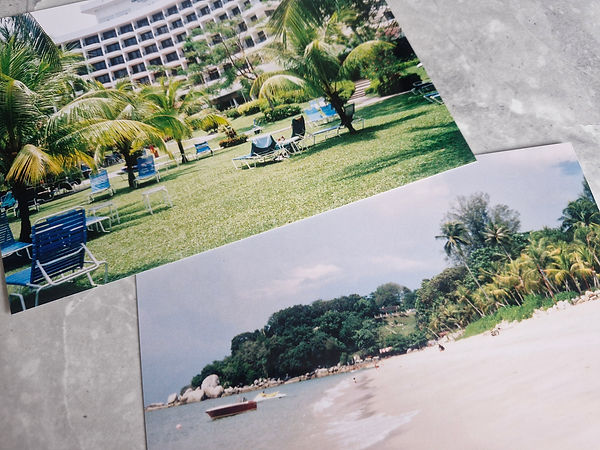
In Penang, the pace shifted at the Golden Sands. This was the "drop and flop" chapter—a necessary pause in the humidity of the coast. Penang’s charm lies in its ability to offer total stillness alongside its rich, layered history.
The Urban Peak
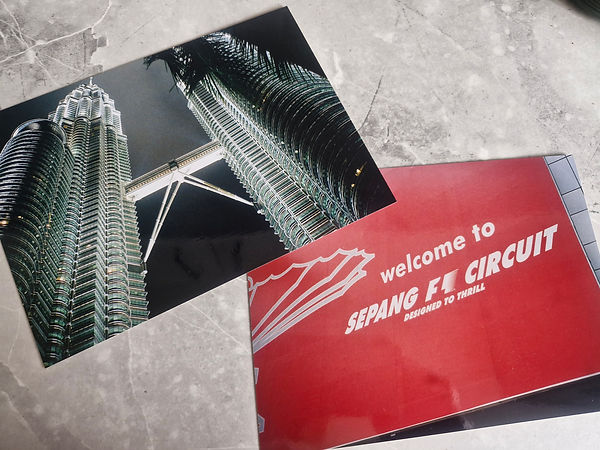
The expedition culminated in Kuala Lumpur at the Mandarin Oriental. Waking up to the silver, sky-piercing symmetry of the Petronas Twin Towers right outside the window felt like a reward for the dust of the plantations. It remains one of the most iconic architectural views in the world—a testament to Malaysia’s rapid ascent into the future.
The Sepang Intersection
While Kuala Lumpur reached for the sky with the Twin Towers, it was also carving its place in the world of high-performance engineering. Visiting the Sepang F1 Circuit provided a visceral look at Malaysia’s "Designed to Thrill" era. It was more than just a racetrack; it was a symbol of the country’s rapid modernization. Standing at the circuit, you could feel the shift from the quiet, rhythmic pace of the rural rubber plantations to the high-velocity future of the nation.
Documenting Malaysia requires this duality: an appreciation for the raw rubber tree and the gleaming steel tower. Both are essential to the story. 🧭🏛️